

LGA’s 2026 state election priorities
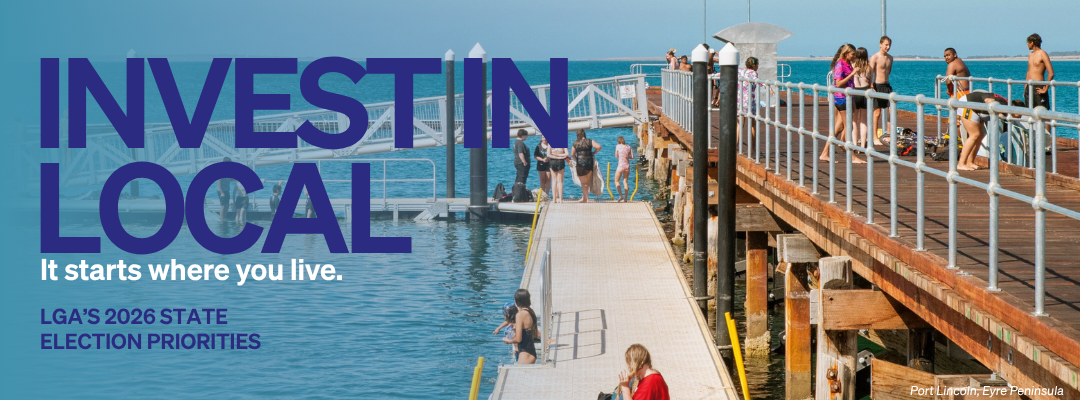
Invest in Local - It starts where you live
South Australians rely on local government every day - to keep roads safe, parks clean, libraries open, and communities connected.
LGA South Australia is calling on all political parties and candidates contesting the 2026 State Election to commit to 28 key priorities that will strengthen local communities, boost the economy, and protect our environment.
Working in partnership with local government delivers real, lasting outcomes. LGA’s priorities focus on five key areas that drive prosperity and community wellbeing across the state.
Invest in five to thrive:
- Transport and Infrastructure
- Environment and Climate
- Disaster Resilience
- Stronger Communities
- Financial Sustainability
Every dollar invested locally creates safer streets, healthier environments, and more connected neighbourhoods.
This election, we're calling for
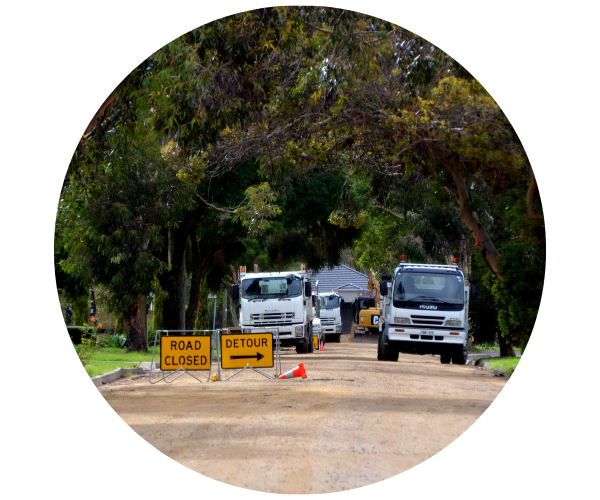
Transport and Infrastructure
- Fund a five-year $21 million program to assess and improve regional roads investment using the Intelligent Pavement Assessment Vehicle and AI for network safety assessments. Establishing a consistent baseline for long-term network management will support increased productivity and safety outcomes on local roads.
- Secure comprehensive 80/20 funding to deliver the Greater Adelaide Freight Bypass, including the Truro Bypass and Swanport Bridge duplication projects.
- Partner with LGA to support implementation of the National Automated Access System, ensuring councils can manage heavy vehicle access efficiently and safely. Invest in a liaison officer to be a conduit between the two tiers of government and support increased data readiness over 2026-27 and 2027-28.
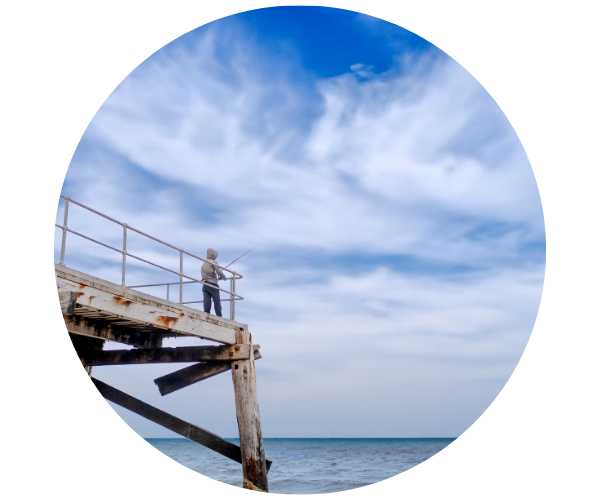
- Work with councils to develop a sustainable ongoing model for jetties across the state, recognising that management and maintenance of ageing and deteriorating jetties is a significant financial burden for communities.
- Increase annual State Government investment in housing and growth-enabling infrastructure including water, stormwater and community facilities, in partnership with councils, including specific investment targeted to regions.
- Increase the Community Wastewater Management System program funding from $4.8 million to $12 million per year to support critical infrastructure. Additionally, open a new standalone $20 million fund to subsidise new housing builds in regional areas, ensuring wastewater infrastructure is developed from the start.
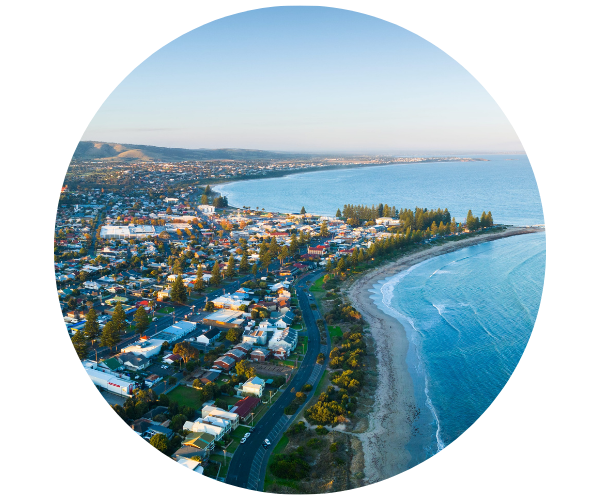
Environment and Climate
- Permit metropolitan councils to increase diversion of food organics by enabling them to introduce flexible kerbside collection models, by removing clause 10(2) of the Environment Protection (Waste to Resources) Policy.
- Guarantee a level of return of the monies accumulated in the Green Industry Fund for councils to accelerate the transition toward a more circular economy.
- Resolve longstanding policy conflicts and empower regulatory agencies to deliver integrated outcomes that balance safe and reliable energy supply with achieving the 30% tree canopy target committed to under both the Urban Greening Strategy and Greater Adelaide Regional Plan.
- Mandate green infrastructure in state-led government projects to meet the state’s canopy and climate resilience targets.
- Pass urgent legislation that establishes a framework for a mandatory fully-funded product stewardship scheme that holds manufacturers and importers accountable for problematic materials and lifecycle costs (similar to NSW’s Product Lifecycle Responsibility Act 2025). Lithium-ion batteries should be the first product of focus within the scheme to address the escalating fire risk councils and communities are facing. Create pathways for the safe disposal of these items, supported by a comprehensive community education campaign.
- Increase Coast Protection Grant funding to coastal councils to better manage and protect South Australia’s valuable coastal assets and address climate change risks.
- Fund a Local Government Coastal Adaptation Coordinator and invest in a statewide Climate Ready Alliances program.
Disaster Resilience
- Overhaul the Local Government Disaster Recovery Assistance Arrangements to simplify the scheme, reduce reimbursement thresholds, recognise recovery of significant internal council costs and provide clear eligibility for both short-term and long-term disaster clean-up and recovery activities.
- Increase funding for disaster mitigation projects to help councils build greater community resilience.
- Commit $420,000 annually to support LGA’s legislated role as lead agency for the Local Government Functional Support Group, ensuring effective state-local emergency response, coordination, capacity-building and recovery.
- Work with councils to support drought-affected regional communities, providing targeted relief that responds to prolonged dry conditions.
Stronger Communities
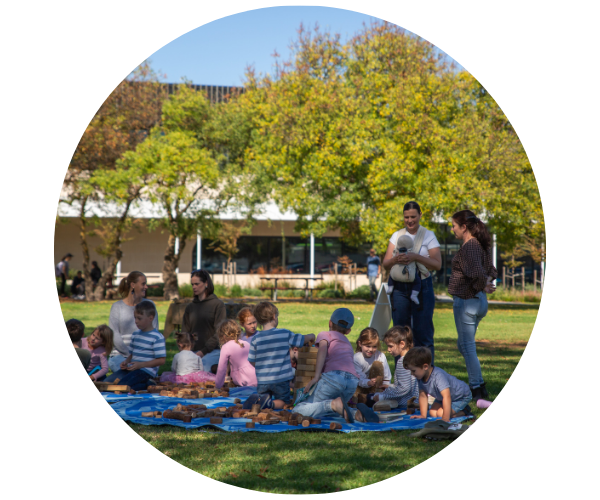
- Increase funding for public libraries with annual indexation restored to reflect rising costs, increased services and public demand.
- Increase baseline funding to 100 per cent of community centres across the state, improving equity of funding and bringing South Australia into line with other states and territories.
- Establish a new local government apprenticeship, traineeship and cadetship program to support key workforce skill gaps in the sector.
- Work with councils to support communities in areas such as hoarding and squalor, domestic, family and sexual violence and homelessness.
- Expand investment in regional mental health services.
- Guarantee adequate and sustainable State Government funding for council disability access and inclusion initiatives.
- Partner with councils to expand access to childcare in regional communities.
Financial Sustainability
- Establish a formal Partnership Agreement that commits the state to early engagement with local government and requires formal impact statements for any new policies, programs or legislative responsibilities that affect the sector. These should identify financial, workforce and service delivery impacts, recognise council budget cycles and ensure appropriate funding and support for any new obligations to avoid cost shifting.
- Remove the responsibility from local councils to collect the landscape levy. This state levy should be collected by a State Government agency such as Revenue SA.
- Review legislation governing mandatory rate rebates, discounts and exemptions, particularly for land used for electricity generation, and other exempt businesses, to ensure councils can fairly collect revenue, put downward pressure on rates and create an even playing field for all ratepayers.
“When governments work together, communities benefit. Councils are ready to partner with the next State Government to deliver a stronger, more sustainable South Australia.”
— Mayor Heather Holmes-Ross, LGA President