

Implementation of the new Food Safety Standard
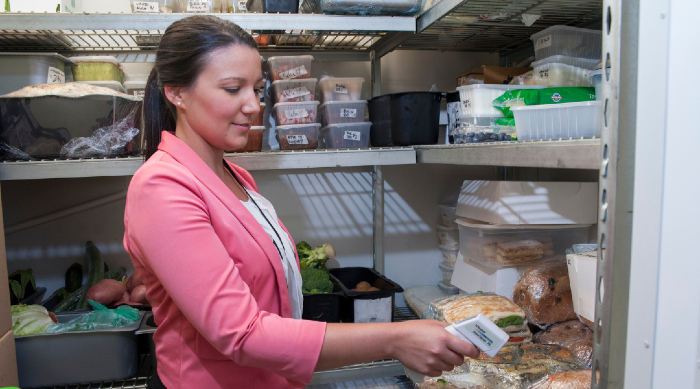
This study evaluated the implementation of the new food safety regulation, Standard 3.2.2A, in South Australia, focusing on the experiences of Environmental Health Officers (EHOs) (the key group responsible for enforcing the standard).
The evaluation identified key areas that were working well and areas needing improvement. Based on these findings, a number of recommendations were made to improve the implementation process and reduce associated workloads. Ultimately, improving public health protection and enabling the council to do more with less.
Background
A new national Food Safety Standard, Standard 3.2.2A – Food Safety Management Tools, came into effect in December 2023. This new standard expands on existing requirements for food handlers and food processing and introduces three new tools.
These tools aim to assist certain food businesses to ensure they are making safe food. The new tools include: a food handler training tool, food safety supervisor tool and showing you are managing key food safety controls tool.
With workforce shortages for Environmental Health Officers (EHOs) in local government, this project aimed to understand the additional time and resources required to implement the new Food Safety Standard 3.2.2A.
Outcomes
Positive Outcomes
- EHOs reported strong support and effective training provided by SA Health in preparation for the rollout.
- The standard has contributed to improved food safety awareness and practices across the sector.
Challenges Identified
- Increased Workload for EHOs:
- Inspections now take an additional 5 to 60 minutes.
- Follow-up visits and administrative tasks have grown, mainly due to high staff turnover in food businesses.
- Training Concerns:
- Inconsistencies in the quality of Food Safety Supervisor Training (FSST) and Food Handler Training (FHT).
- Limited accessibility and dissatisfaction with training providers.
- Small businesses and non-English-speaking owners face greater difficulty meeting training requirements.
- Enforcement Variability:
- EHOs noted inconsistent compliance enforcement across different councils.
- Financial Burden:
- Businesses face increased costs from training, lost productivity, and compliance support.
- Councils are managing higher staffing and enforcement expenses.
Recommendations
To support the sustainable implementation of Standard 3.2.2A, the study recommended:
- Establish a Licensing or Registration System:
- Include a fee structure to offset regulatory costs.
- Enable businesses to upload evidence of compliance (e.g., training certificates).
- Reduce administrative workload for councils by streamlining documentation and verification.
Project snapshot
Documentation & links
Find out more
For more information, please contact: mathilde.thorsen@lga.sa.gov.au